Urban Expansion Patterns and Equipment Sourcing for Multi-Discipline Athletes
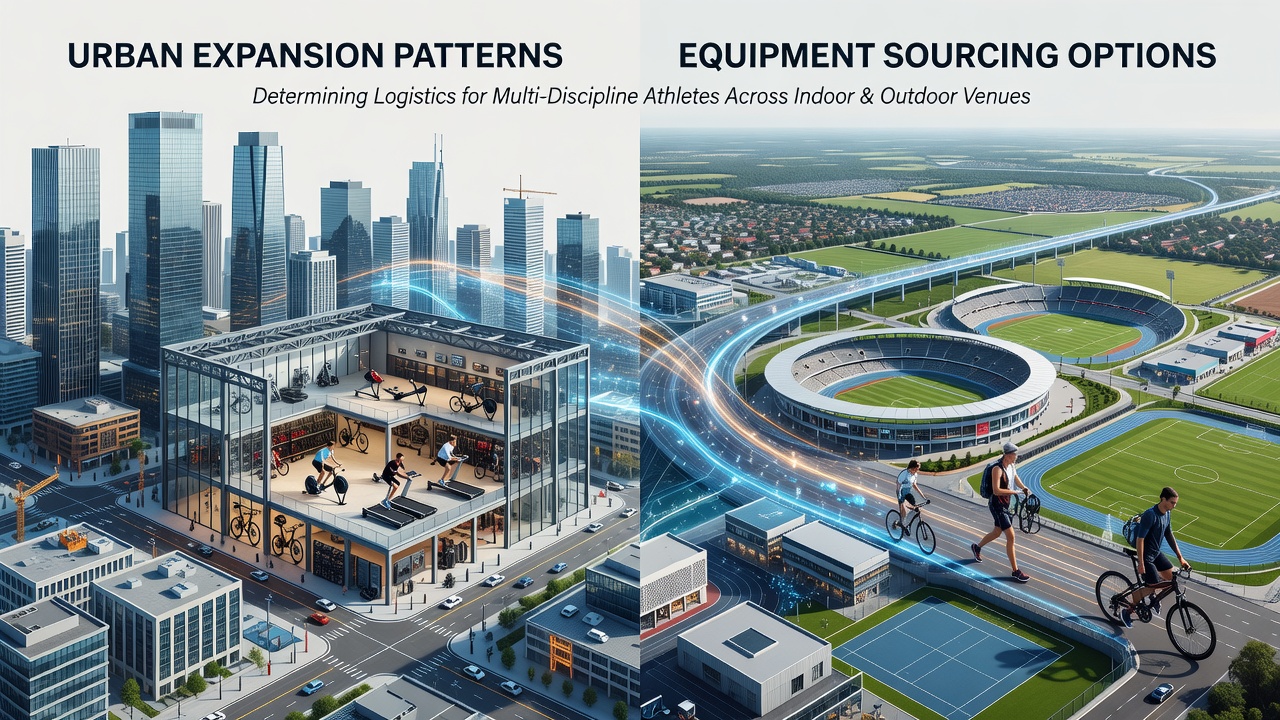
Urban expansion patterns have reshaped how multi-discipline athletes access training spaces, and these shifts directly influence the types of equipment they source for seamless movement between indoor studios and outdoor venues. Cities worldwide continue to grow outward and upward, creating clusters of facilities that require athletes to cover greater distances while carrying or storing gear suited to both controlled environments and variable field conditions.
Documented Growth Trends in Metropolitan Areas
Data from the European Environment Agency shows that European urban areas expanded by 6 percent between 2018 and 2024, with new residential and commercial zones often developed alongside existing sports infrastructure. Similar patterns appear in North American and Asian cities, where suburban rings now host many outdoor competition sites while central districts retain the majority of indoor training centers. Athletes who compete across disciplines therefore encounter longer transit times, and this reality prompts sourcing decisions focused on compact, multi-purpose items rather than specialized equipment that stays fixed in one location.
Research from the University of Melbourne's Centre for Urban Research indicates that mixed-use developments frequently place indoor courts within five kilometers of new playing fields, yet public transit connections between these sites remain inconsistent. Equipment choices consequently favor lightweight frames, modular components, and weather-resistant materials that withstand both climate-controlled interiors and open-air exposure during commutes.
Facility Distribution and Athlete Mobility
Expansion creates distinct zones: dense cores with high concentrations of gyms and studios, transitional belts mixing commercial and recreational spaces, and outer rings dominated by larger outdoor venues. Multi-discipline athletes moving through these zones must source items that perform reliably across temperature and surface variations. In October 2026, updated mapping from Statistics Canada highlighted that 42 percent of new recreational facilities opened in the previous three years sat more than eight kilometers from existing indoor complexes, increasing the practical need for portable gear.
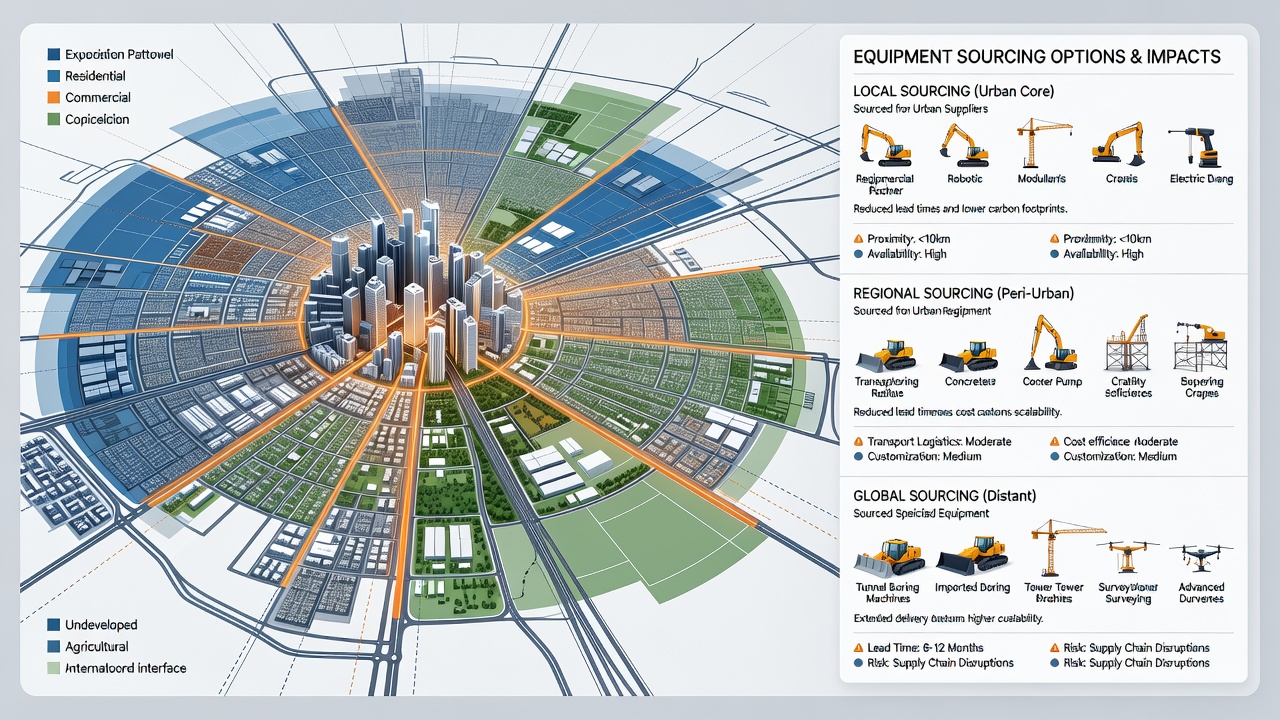
Observers note that sourcing strategies now prioritize suppliers who offer durable yet foldable products, because athletes often store equipment in shared lockers or vehicle trunks during daily transitions. Supply chain analyses reveal that manufacturers have adjusted production toward regional hubs closer to expanding metropolitan corridors, shortening delivery times for replacement parts that athletes need when moving between venues.
Material and Design Adaptations in Sourcing
Urban growth patterns affect material preferences because athletes encounter more frequent surface changes and storage constraints. Equipment sourced for these routines typically incorporates reinforced yet lightweight composites that resist wear from both polished indoor floors and grass or turf outdoors. Industry reports document a measurable rise in demand for modular designs that break down into smaller units, easing transport on public systems or in personal vehicles common in sprawling cities.
Those who study facility access patterns find that athletes increasingly select items from suppliers with localized distribution centers near major expansion corridors. This approach reduces lead times when components fail during high-volume training cycles that span multiple sites. Data collected by regional planning agencies shows that cities with the fastest outward growth also record higher volumes of equipment returns and replacements, underscoring the link between transit demands and product durability requirements.
Supply Chain Responses to Spatial Changes
Manufacturers have responded to these spatial dynamics by establishing sourcing partnerships that align with urban development timelines. Components now travel shorter distances from production sites to warehouses positioned along transport routes that athletes use between indoor and outdoor locations. Such adjustments appear in recent logistics studies covering both established and rapidly growing metropolitan regions.
Equipment catalogs reflect these shifts through expanded options for weather-adaptive fabrics and collapsible frames, items that address the practical constraints athletes face when schedules require rapid venue changes. Figures from trade associations indicate steady growth in these product categories since 2023, coinciding with documented increases in urban recreational infrastructure spread.
Conclusion
Urban expansion continues to dictate the parameters within which multi-discipline athletes select and maintain their equipment. Facility distribution, transit distances, and material performance requirements converge to shape sourcing priorities that favor versatility and regional availability. As metropolitan areas evolve, equipment supply networks adapt in parallel, ensuring athletes can move between indoor training spaces and outdoor competitive venues without compromising on functional reliability.